Aid or Aide: The Ultimate Guide In 2026
August 15, 2026
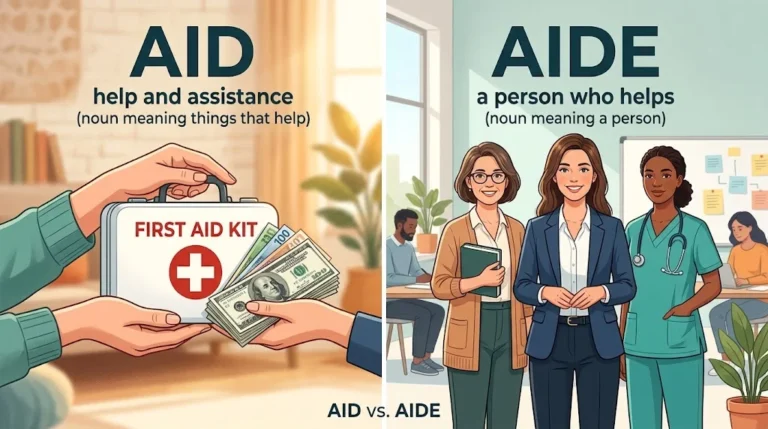
These two words sound exactly the same when spoken, and their spellings differ by just one little letter. But that...
Read moreGirlie or Girly: Which Spelling Is Correct In 2026
August 15, 2026
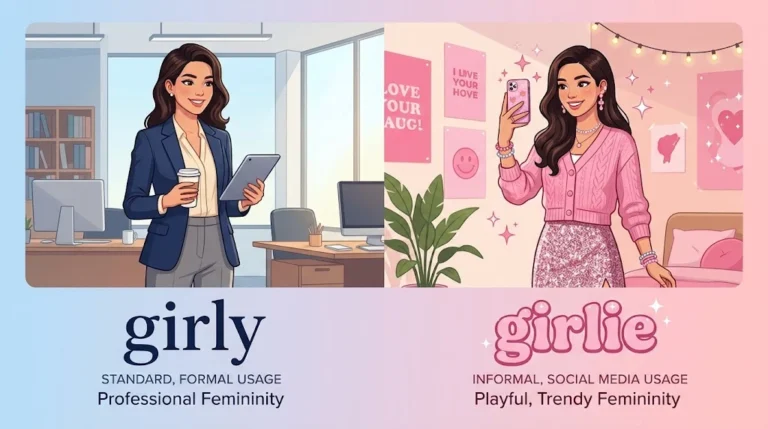
Quick Answer: Both girlie and girly are recognized spellings, but girly is the standard, preferred form in modern English for...
Read moreTrick or Treaters: Meaning & Correct Usage In 2026
August 14, 2026

Quick Answer: A trick or treater is a person, typically a child, who dresses in costume on Halloween and goes...
Read morePreform vs Perform: What’s the Difference In 2026
August 14, 2026
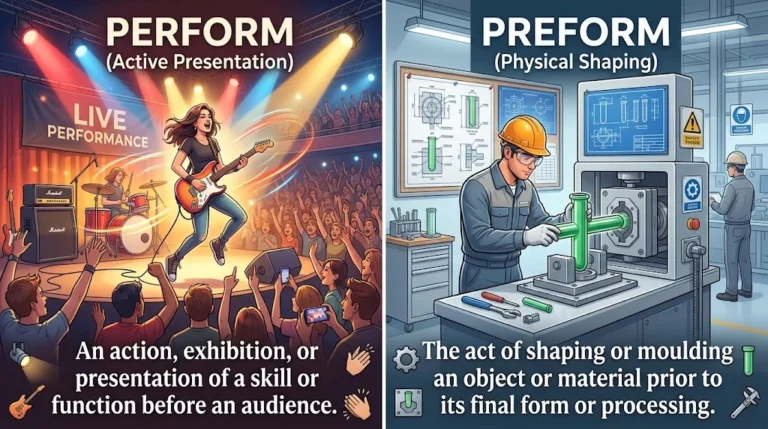
Quick Answer: Perform is a verb that means to carry out, execute, or present an action, task, or artistic work....
Read moreThru or Through: Which Spelling Should Use In 2026
August 14, 2026
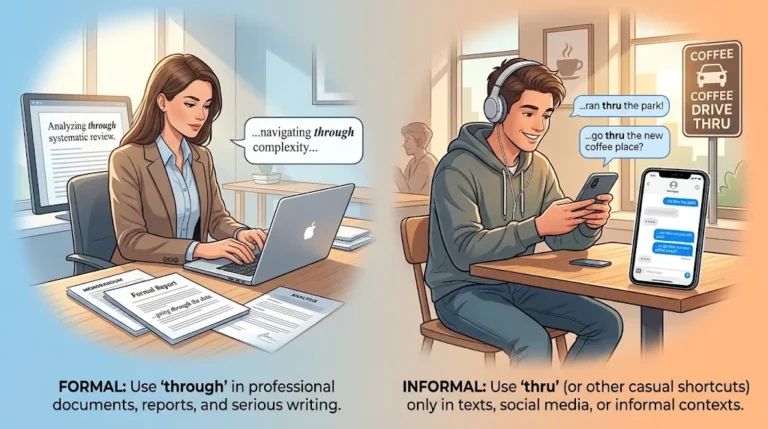
Quick Answer: Through is the standard, formally accepted spelling used in all professional, academic, and published writing. Thru is an...
Read moreLeft or Right: A Complete Guide In 2026
August 14, 2026
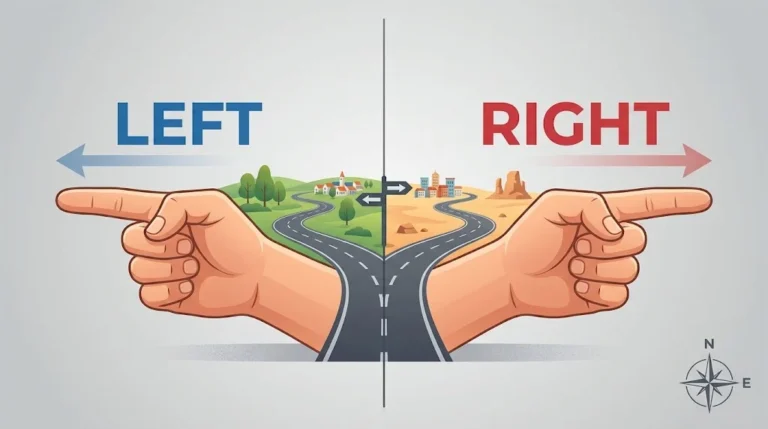
Quick Answer: Left refers to the side of your body where your heart is (or the direction opposite to right),...
Read moreExtinct or Alive: Key Differences Explained In 2026
August 14, 2026

The question of whether something is extinct or alive pops up everywhere from biology textbooks to casual conversations about dinosaurs,...
Read moreSwimming or Floating: Understanding the Crucial Difference In 2026
August 14, 2026
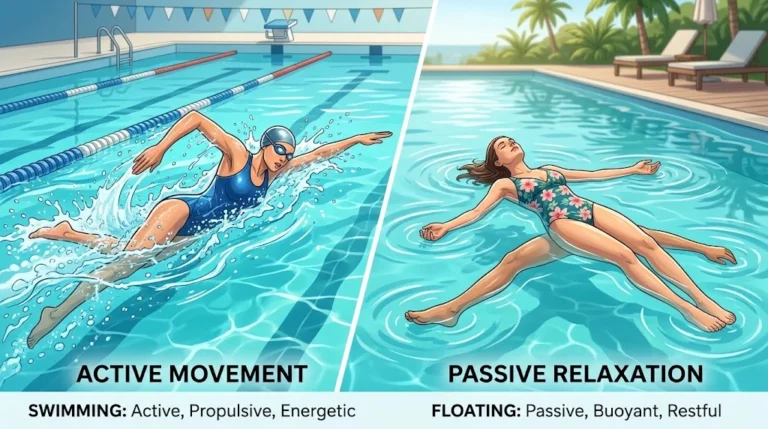
Quick Answer: The difference between swimming and floating comes down to action versus rest. Swimming is the active, intentional movement...
Read moreWhether or Not: The Complete Guide to Correct Usage In 2026
August 14, 2026
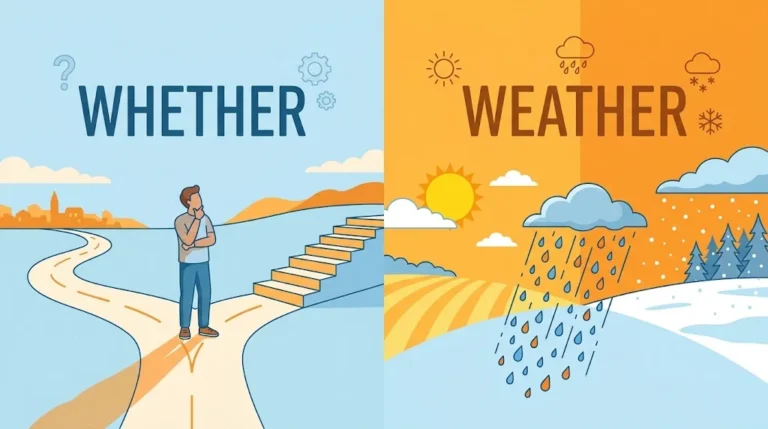
Quick Answer: The correct phrase is “whether or not” when you want to express a choice between two or more...
Read moreA or An: The Ultimate Guide In 2026
August 14, 2026
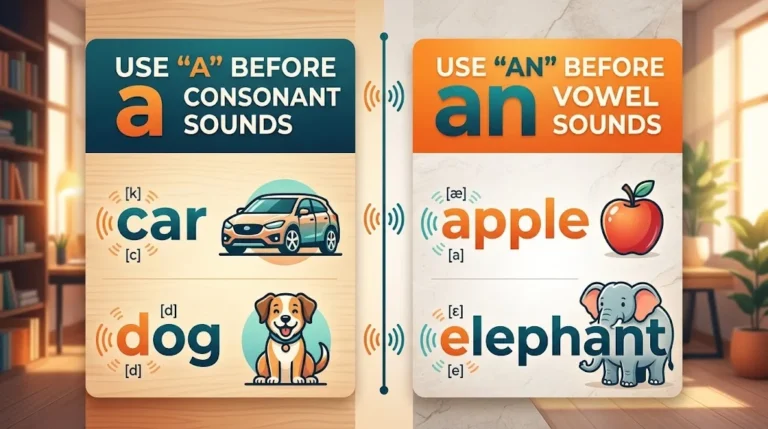
Use “a” before consonant sounds and “an” before vowel sounds. This distinction helps English speakers maintain smooth, natural pronunciation in...
Read more