Vertical or Horizontal: Which Direction Should Use In 2026
September 17, 2026
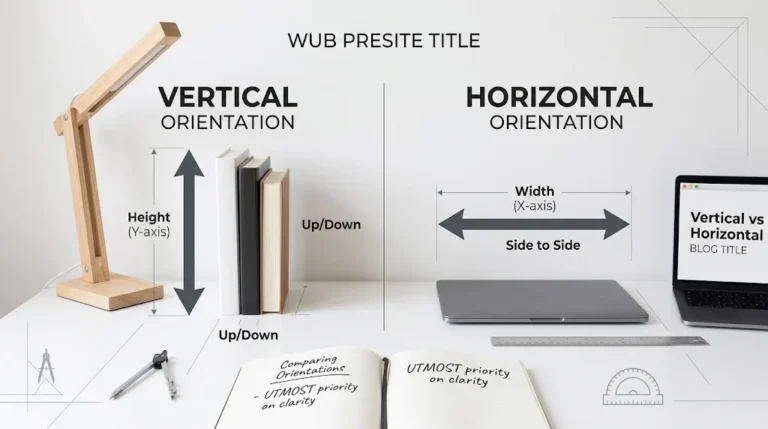
Vertical or horizontal describes two basic directions. Vertical means moving or positioned up and down, while horizontal means moving or...
Read moreUtmost or Upmost: Meaning & Difference In 2026
September 17, 2026
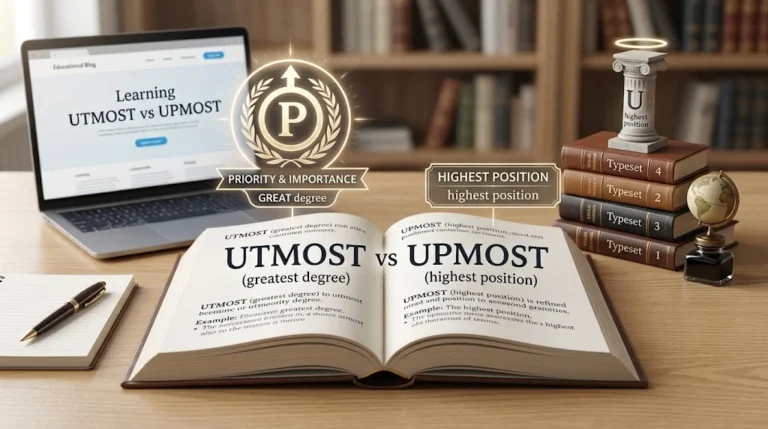
Quick Answer: Utmost means the greatest possible degree or highest level of something, while upmost is a rare word meaning...
Read moreReoccurring or Recurring: Which Word Is Correct In 2026
September 17, 2026

Quick Answer: Reoccurring and recurring are both legitimate words, but they are not always used in exactly the same way....
Read morePuting or Putting: Correct Spelling and Usage Explained for 2026
September 17, 2026
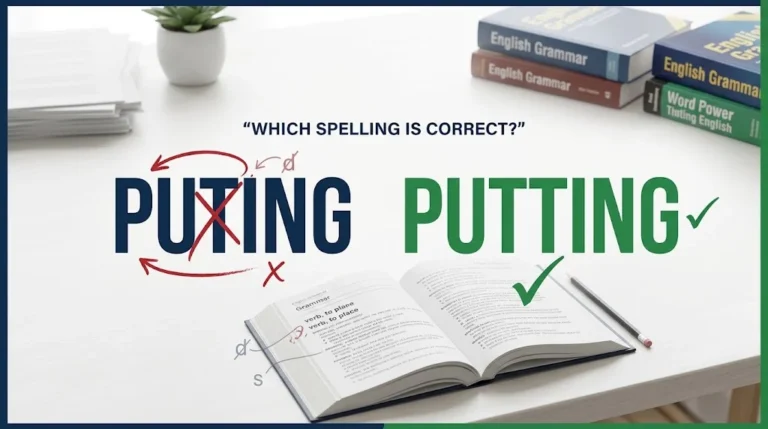
“Puting or putting” is a common spelling question because the verb “put” does not follow the usual pattern for adding...
Read moreFamily’s or Families: Grammar & Correct Usage for 2026
September 17, 2026

Quick Answer: Family’s is the singular possessive form of family, used when something belongs to one family. Families is the...
Read moreGlaswegian or Edinburgher: Which Term Is Correct In 2026
September 16, 2026

A Glaswegian or Edinburgher is the demonym used for someone from one of Scotland’s two major cities. A Glaswegian is...
Read moreMove or Die: Meaning, Difference & Examples Explained for 2026
September 16, 2026

Quick Answer: Move or die is a phrase that presents movement as necessary for survival, progress, or success. Move means...
Read moreMangos or Mangoes: Which Spelling Is Correct In 2026
September 16, 2026

Both mangos and mangoes are accepted plural forms of mango, the tropical fruit. Mangoes is generally the more common spelling...
Read moreSmelled or Smelt: Spelling & Correct Usage for 2026
September 16, 2026
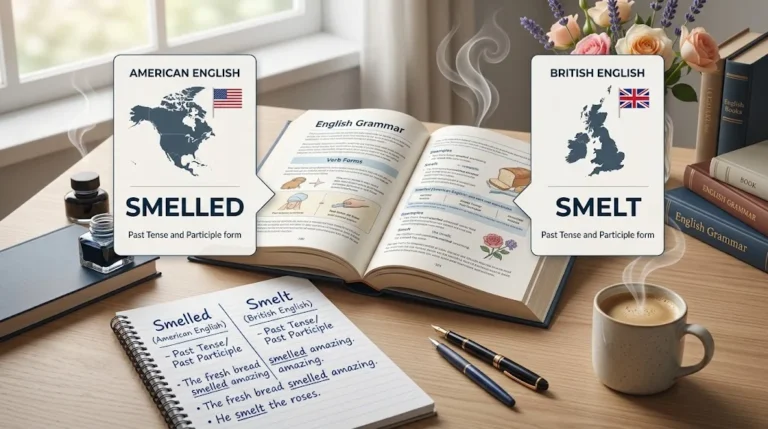
Smelled is the more common past tense and past participle in American English, while smelt is widely used in British...
Read moreOK or Okay: Which One Should You Use In 2026
September 16, 2026
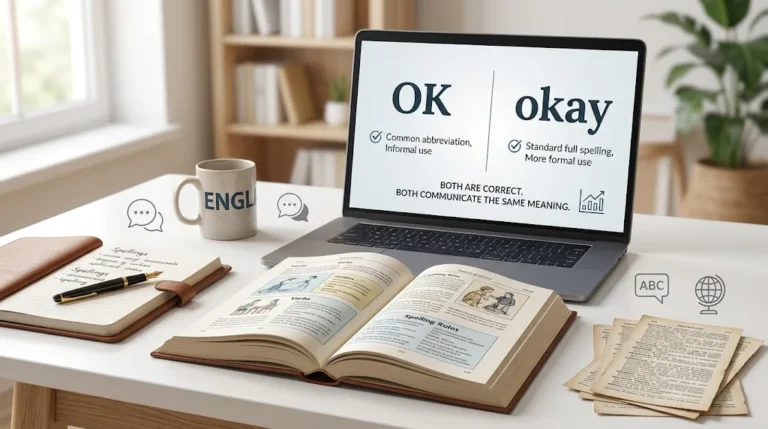
Quick Answer: OK and okay have the same basic meaning and are generally interchangeable. Both can mean that something is...
Read more